

A Houston investor has a property under contract, a contractor ready to start, and a renovation budget that looks profitable on paper. Then the lender asks for a detailed scope of work, contractor credentials, permit information, financial records, and an appraisal based on the completed project. If those items aren't ready, the deal can sit in a queue while another buyer moves ahead.
The practical answer to how to apply for a renovation loan is to prepare the project file before submitting the application. Renovation financing evaluates both the borrower and the property plan, so approval depends on documented income and assets, a credible repair budget, qualified contractors, realistic value projections, and a workable exit strategy.
Table of Contents
- Understanding the Renovation Loan Application Process
- Preparing Your Documents and Contractor Estimates
- How Appraisals and Underwriting Determine Your Loan Size
- Navigating the Draw Process and Closing Timeline
- Why Quick Lending Approaches Houston Renovation Loans Differently
- Tips for a Faster Renovation Loan Approval
- Frequently Asked Questions About Renovation Loans
Understanding the Renovation Loan Application Process
A Houston investor can find a promising property, estimate repairs during a quick walkthrough, and still submit a file that cannot reach underwriting. A rough renovation figure and a few contractor text messages do not show whether the scope is complete, the budget is accurate, or the projected finished value supports the requested financing. The opportunity may be sound, but missing project evidence can leave it waiting in the lender's queue.
A renovation loan evaluates two related risks:
- Borrower qualification: Income, assets, identification, debts, property ownership, and repayment capacity.
- Project feasibility: Contractor bids, materials, labor, permits, timing, repair details, and the value expected after completion.
Renovation-loan application guidance reflects the documentation lenders commonly request, including income verification, tax returns, asset statements, identification, property details, contractor estimates, and a detailed renovation plan. The contractor's role can affect timing immediately. Some lenders want a contractor engaged before the application advances, while many renovation products release funds through staged escrow draws.
Why project evidence matters
The lender needs to trace the rehabilitation budget from the proposed work to the completed property. Missing labor, materials, permits, or contingency assumptions can create a funding gap. An unverified contractor adds execution risk. An unclear scope may also leave the appraiser unable to support the projected value.
Program history shows how documentation and execution problems can affect outcomes. One report found that FHA 203(k) usage fell 77% over the past decade, while 41% of applications were withdrawn and only 36% successfully originated. The Federal Housing Administration renovation lending report connects those results with documentation complexity and execution risk.
Quick Lending's Houston experience shows why preparation matters more than a credit score alone. A complete financial file helps establish borrower capacity, but a lender also needs a construction file that explains who will perform the work, what it will cost, and how the project can reach completion. That combination gives underwriting a fundable deal to review.
Preparing Your Documents and Contractor Estimates
A Houston renovation file can stall over one missing document, an unsigned bid, or a scope that leaves out cleanup. Build one organized digital folder before submitting the application, then label each file so the lender can find the needed information without requesting the same item twice.
Build the financial file first
Include:
- Income records: Pay stubs, W-2s, tax returns, or other verification requested by the lender.
- Asset statements: Bank and investment statements showing funds for required cash contributions and project reserves.
- Identification: Government-issued identification and entity documents if a business will purchase the property.
- Existing obligations: Mortgage statements, debts, and other liabilities.
- Property details: Purchase contract, address, ownership information, photos, and available title or insurance information.
Use current statements, consistent file names, and one PDF per category where practical. If a document does not apply, label it clearly rather than leaving a blank spot in the package. Quick Lending's Houston experience shows that this simple filing discipline helps underwriting identify questions early instead of sending the application back for another collection round.
Turn the repair idea into a lender-ready scope
Ask the contractor for a written estimate that separates labor, materials, quantities, allowances, permits, cleanup, exclusions, and expected timing. Replace “renovate kitchen” with line items for cabinets, counters, appliances, plumbing, electrical work, flooring, and related permits when those items apply.
Practical renovation financing guidance recommends obtaining at least two bids and adding a 10% to 15% contingency for hidden conditions. Keep that reserve separate from the base budget. Have each contractor price the same scope so the bids can be compared without confusing different assumptions.

Before sending the file, collect the contractor's license information, insurance certificate, references, credentials, permit status, and signed agreement. Confirm who will perform subcontracted work and whether the estimate includes disposal, inspections, and final cleanup. For older properties, check for lead paint, asbestos, knob-and-tube wiring, and galvanized plumbing before finalizing the scope, as noted in this Renovation financing guidance.
Practical rule: The lender should understand the renovation from the file alone, without calling the borrower to interpret the estimate.
How Appraisals and Underwriting Determine Your Loan Size
A Houston rehab file can stall even when the borrower has strong credit. The appraiser and underwriter still need to connect the requested loan to the property's current condition, projected completed value, total project cost, and the borrower's available cash.
The appraiser typically reviews the as-is value and the projected after-repair value, or ARV. The underwriter then tests the loan-to-cost and loan-to-value position against the purchase, renovation, and closing-cost stack. A lower completed value can reduce proceeds and create a funding gap before closing.
For a hard-money application, submit an ARV supported by nearby comparable properties, a realistic scope, and a contractor estimate that matches the improvements. Stress-test the deal using a conservative finished value, then confirm that the purchase price, repair budget, financing costs, and required cash still fit. Quick Lending's Houston experience is that unclear contractor documents create more avoidable underwriting friction than a borrower expects. Speed comes from a file that can be reviewed without repeated calls for explanations.
Loan Sizing and Approval Benchmarks
| Metric | Typical Benchmark | Impact on Approval |
|---|---|---|
| ARV-based proceeds | Some rehab structures cap proceeds at roughly 75% of ARV. | A lower appraisal can reduce the loan amount or require more borrower cash. |
| Standard FHA 203(k) repairs | Repair costs must exceed $5,000, and standard work is generally completed within 12 months, according to renovation program information. | The scope must be substantial, documented, and scheduled within program limits. |
| Budget completeness | Labor, materials, permits, disposal, cleanup, inspections, and contingency should appear where applicable. | Missing costs can trigger revisions, delays, or a lower approved amount. |
| Borrower liquidity | The file should show funds for the down payment, closing costs, points, and interest carry. | Thin reserves make overruns or delays harder to absorb. |
| Contractor readiness | The lender should receive a clear scope, signed agreement, schedule, insurance details, and responsive contact information. | Gaps in contractor documentation can hold the file in review even when the property supports the loan. |
The construction sequence must support the budget. Roof work, electrical upgrades, and interior finishes cannot be priced as independent tasks when one depends on another. The underwriter needs a schedule the contractor can execute and the borrower can fund.
What happens when the ARV is low
A low appraisal does not automatically end the project. The borrower may reduce the purchase price, add cash, revise the scope, choose a different structure, or walk away if the returns no longer justify the risk. Make that decision before final underwriting, not after funds and contractor commitments are in place.
Navigating the Draw Process and Closing Timeline
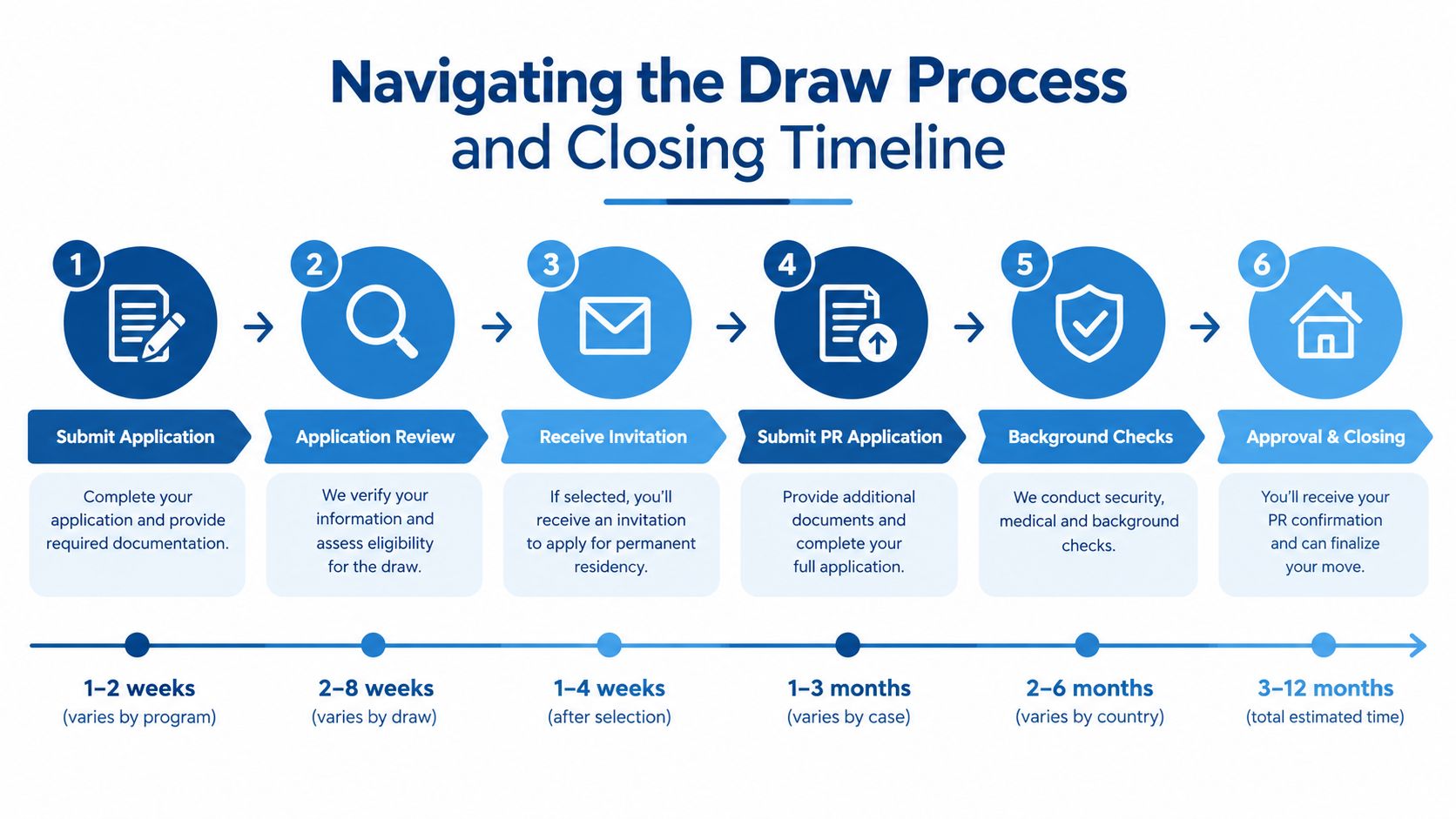
Loan approval does not place the full renovation budget in the borrower's account. Most renovation products use staged escrow draws, releasing money after the contractor completes a defined milestone, submits documentation, and passes the required inspection.
The draw schedule protects the lender's collateral and gives the borrower access to capital as work progresses. It also creates a common source of delay. In Houston rehab projects, a contractor can be on schedule while an incomplete invoice, missing lien document, or unclear progress photo holds the next payment.
A practical draw sequence
- Complete the approved work phase. The contractor finishes the milestone listed in the draw schedule.
- Submit the request. The borrower sends invoices, progress photos, lien documentation, inspection details, and any other required items.
- Schedule the review. An inspector or designated reviewer checks whether the completed work matches the approved scope.
- Resolve discrepancies. Missing receipts, unfinished items, or unapproved changes must be explained or corrected before release.
- Release the draw. After approval, funds move from the escrow reserve under the loan terms.
- Continue to the next milestone. The contractor uses the released funds for the following phase.
Borrowers should agree with the contractor in advance on who collects invoices, who submits the draw, and how quickly questions will be answered. Keep photos, receipts, permits, and lien releases in one organized file. Changing materials or adding work without lender approval can create a funding gap.
Renovation-loan process guidance notes that staged escrow draws are common and that renovation underwriting may take 30 to 45 days. The actual schedule varies with the appraisal, title work, project complexity, contractor documentation, inspection availability, and the borrower's response to conditions.
One person should manage lender communication. Local familiarity may help Quick Lending understand Houston contractors and inspection practices, but complete draw documentation remains the borrower's responsibility.
Why Quick Lending Approaches Houston Renovation Loans Differently
A conventional renovation lender typically evaluates the project through a mortgage process designed around extensive borrower qualification, property standards, formal appraisals, and program rules. That structure can suit an owner-occupant or a borrower planning long-term financing, but it may not fit an investor buying a distressed or non-bankable property under a tight contract deadline.
Quick Lending, LLC is a Houston-area hard money lender serving investors, flippers, builders, developers, wholesalers, multifamily investors, and real estate entrepreneurs. Its short-term, asset-based approach focuses on the investment property and the transaction's project requirements, with financing services that include purchase and rehab loans, bridge financing, acquisition funding, and transitional loans.
Conventional renovation financing and hard money financing
The difference isn't that one option is faster. The financing structure, borrower profile, property condition, and exit plan all matter.
- Conventional renovation loans: Often follow standardized mortgage requirements and may be appropriate when the property and borrower fit the program.
- Hard money loans: May provide an alternative for investment properties that need repairs, repositioning, or a faster acquisition process, subject to review and approval.
- Bridge financing: Can help connect a time-sensitive purchase with a later refinance, sale, or stabilization event.
- Transitional financing: May support the period during which a property moves from distressed condition toward income production or resale readiness.
Quick Lending's process is built around efficient intake, documentation review, decision-making, title coordination, and closing support for Houston investment transactions. Terms vary by loan and project, and no financing structure removes the need for a credible scope, contractor plan, value analysis, and repayment strategy.

Investors can also review Quick Lending's real estate investing resources to understand how acquisition, rehab, bridge, and transitional financing may fit different project stages. The right option depends on the property's condition, the investor's liquidity, the planned work, and the intended exit.
Tips for a Faster Renovation Loan Approval
Fast underwriting starts before the application. The investor who sends a complete file gives the lender a usable basis for review, while the investor who sends fragments creates repeated follow-up requests.
Three habits make the biggest difference:
- Organize financial records: Keep income, tax, asset, debt, identification, and property documents together.
- Make the budget defensible: Use detailed contractor bids, include every visible trade, and account for hidden conditions rather than relying on a broad repair guess.
- Verify the contractor: Confirm licensing, insurance, credentials, availability, and willingness to support permits, inspections, invoices, and draw requests.
The financing structure should also match the exit plan. A flip, rental stabilization, refinance, and resale each create different timing and repayment considerations. A borrower preserving an existing favorable first-mortgage rate may evaluate a second-lien option instead of refinancing the entire mortgage, depending on available equity and project needs.
Speed is a preparation advantage. It doesn't replace appraisal support, contractor documentation, or a realistic budget.
Frequently Asked Questions About Renovation Loans
Does a renovation loan require a high credit score? Requirements vary by program and lender. Investors should expect the lender to review the complete financial profile, liquidity, property, and project rather than relying on one score.
Must a contractor be selected before applying? Some lenders require a contractor in place before underwriting begins. Contractor credentials, insurance, scope, pricing, permits, and schedule may all be reviewed.
What happens if the appraisal is below the projected ARV? The investor may need to contribute more cash, reduce the purchase price, revise the scope, or reconsider the deal.
What exit strategies work with hard money? Common plans include resale after renovation, refinance after stabilization, or another defined repayment event. Terms remain subject to project review and approval.
Quicklending LLC offers short-term hard money financing for Houston-area investment properties, including acquisition, rehab, bridge, and transitional projects. Investors with a documented scope, contractor plan, and clear exit strategy can visit Quicklending LLC to discuss financing options for the next renovation.